Honeyquill Font: A Warm Handwritten Script for Modern Design
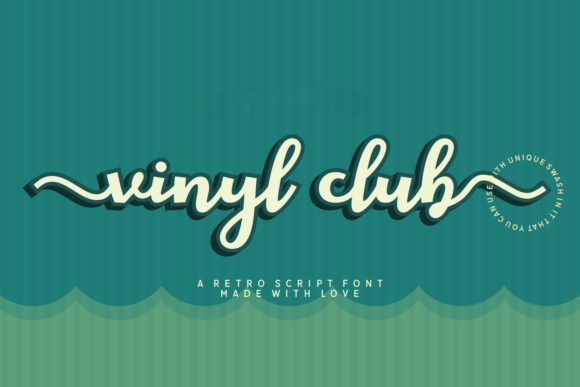
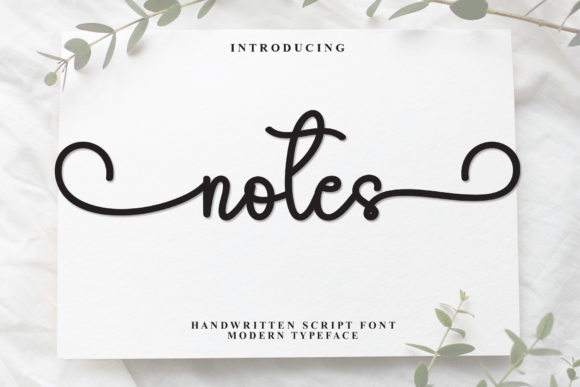
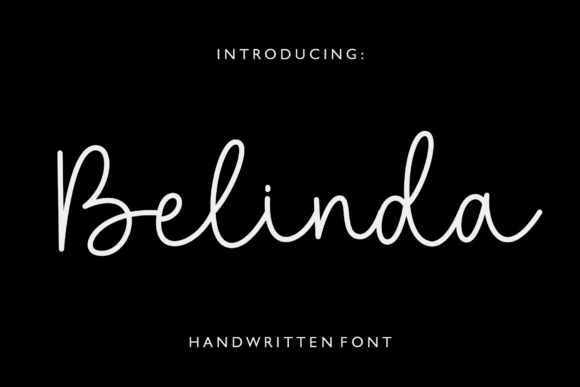
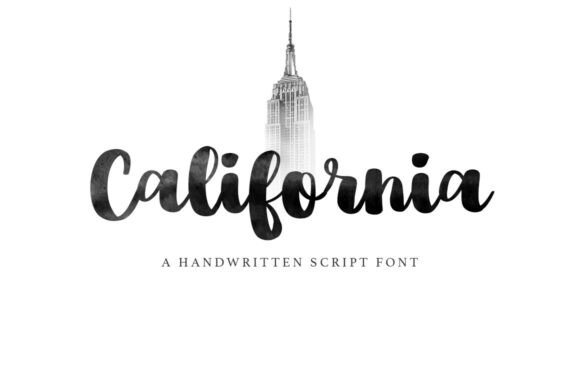
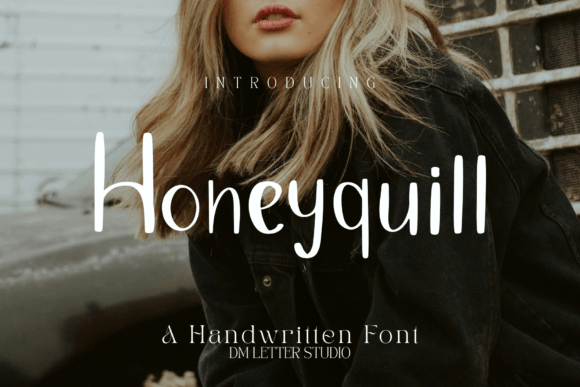
In the quest for typography that feels both personal and polished, discovering a font like Honeyquill can transform a creative project. This handwritten script font offers a warm, inviting aesthetic with its soft, flowing curves and smooth strokes, making it an invaluable tool for graphic designers, marketers, and brand owners. Its inherent friendliness bridges the gap between casual charm and professional clarity, enhancing visual communication across numerous applications.
The Role of Handwritten Fonts in Visual Design
Typography is a cornerstone of graphic design, directly influencing brand identity, user experience, and message reception. Handwritten fonts like Honeyquill inject personality and authenticity into designs, which is crucial in a digital landscape often dominated by sterile, geometric typefaces. The right script font can evoke specific emotions—warmth, nostalgia, elegance, or whimsy—helping brands connect more deeply with their audience. Honeyquill’s balanced letterforms ensure this personality doesn’t come at the cost of readability, a common pitfall with decorative scripts.
Practical Applications for Honeyquill Font
The versatility of Honeyquill makes it suitable for a wide array of creative projects. Its design is optimized for short, impactful text, making it ideal for headlines, logos, and call-outs where a human touch is needed. Consider its use in the following areas:
- Branding and Logo Design: Craft memorable logos for bakeries, boutique shops, lifestyle brands, and wedding services. The font’s softness conveys approachability and care.
- Marketing Materials: Design elegant invitations, greeting cards, thank-you notes, and promotional flyers that feel bespoke and thoughtful.
- Social Media Graphics: Create engaging posts, stories, and thumbnails with text that stands out in a crowded feed, perfect for quotes, announcements, and lifestyle content.
- Packaging Design: Apply it to labels for candles, artisan foods, cosmetics, and gifts to add a handcrafted, premium feel that enhances shelf appeal.
- Editorial and Web Design: Use it for pull quotes, section headers, or featured article titles in magazines, blogs, and websites to add visual interest and break up monotonous layouts.
- Merchandise and Digital Products: Design unique apparel prints, notebook covers, planner pages, and digital templates that sell with a distinct visual style.
Integrating Honeyquill into Your Design Workflow
To maximize the impact of any font, thoughtful integration into your broader design system is key. Honeyquill pairs exceptionally well with modern serif and clean sans-serif fonts, creating a dynamic visual hierarchy. Use it as the headline or accent font to draw the eye, then pair it with a highly legible body font for longer text passages. This contrast ensures elegance without sacrificing clarity.
When using Honeyquill, consider these practical tips:
- Color and Texture: Enhance its warmth with complementary color palettes like honey and cream, sage and ivory, or blush and cocoa. Adding subtle textures like light shadows, thin outlines, or a soft foil effect can introduce depth and a tactile quality, especially in print design.
- Spacing and Context: The font is tuned for headlines, so spacing is optimized for impact. Always test your designs in context—mock up how the font looks on a business card, a social media banner, or product packaging to ensure it scales well and maintains its character.
- Technical Execution: Clean outlines make Honeyquill suitable for various print techniques like letterpress, embossing, and foil stamping, ensuring crisp results on physical materials. For digital use, its smooth curves translate well to screen-based designs.
Ultimately, the choice of typography is a fundamental design decision that communicates brand values and guides user perception. Investing in high-quality, versatile creative assets like the Honeyquill font empowers designers to work more efficiently, elevate their projects, and build stronger, more cohesive visual identities. By selecting tools that balance aesthetic appeal with functional performance, you ensure your designs are not only beautiful but also effective and professional.